Community / Users list / xuongmaydpgaohouse

xuongmaydpgaohouse
The Ultimate Guide to Uniforms: More Than Just Apparel
Uniforms are an essential part of many industries, embodying identity, professionalism, and unity. Whether it’s in schools, corporations, healthcare, or hospitality, uniforms serve purposes beyond clothing. They create a cohesive image, instill discipline, and enhance brand visibility. In this article, we will explore the significance of uniforms, their benefits, and why they remain indispensable across various sectors.
What Makes Uniforms Important?
Uniforms go beyond aesthetics. They are a powerful tool for establishing identity and fostering team spirit. Here are the key reasons why uniforms matter:
Brand Identity:
A uniform reflects the brand’s values and image, providing a visual representation of professionalism.
It helps businesses create a consistent and recognizable appearance, making them stand out in competitive markets. Reference : 500+ Mẫu Áo Đồng Phục Công Ty Đẹp, Cao Cấp Xu Hướng 2024
Equality and Inclusion:
Uniforms eliminate distinctions based on attire, promoting equality among employees or students by leveling the playing field.
Enhanced Professionalism:
Uniforms project an organized and professional image, reinforcing trust and reliability for clients, customers, or stakeholders.
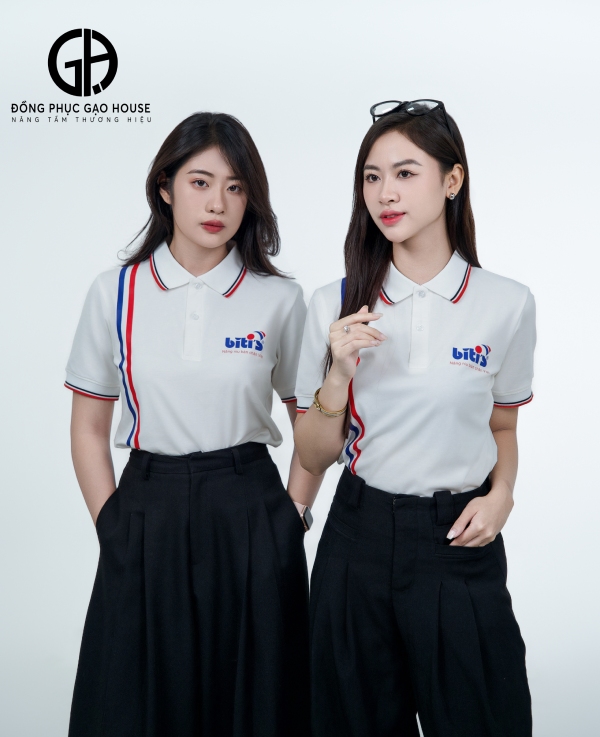
Functionality and Safety:
Specific uniforms, such as flame-resistant suits or high-visibility jackets, are designed for safety and efficiency, protecting workers in demanding environments.
Benefits of Wearing Uniforms
Uniforms are more than just outfits; they bring numerous advantages to individuals and organizations alike:
Team Cohesion:
Wearing the same attire fosters a sense of belonging and unity, enhancing collaboration among team members.
Cost Savings:
Employees or students save money as they don’t need to invest in separate work or school attire. Uniforms reduce wardrobe-related decision fatigue as well.
Brand Visibility:
Uniforms act as walking advertisements, increasing brand recognition wherever they are worn. This visibility can attract potential customers or clients.
Security:
Uniforms help identify employees, enhancing security in workplaces and public spaces by preventing unauthorized access.
The Evolution of Uniform Design
Uniforms have come a long way in terms of design and functionality. Modern uniforms are designed to be:
Comfortable: Made with breathable fabrics for all-day wear, ensuring ease of movement during tasks.
Stylish: Incorporating contemporary trends to appeal to younger generations and boost wearer confidence.
Durable: Ensuring longevity even with frequent use and harsh conditions. See more : https://xuongmayaodongphuc.vn/dong-phuc-cong-ty
Customizable: Allowing brands to personalize designs with logos, colors, and slogans, making them unique and aligned with corporate identity.
Industries Where Uniforms Shine
While uniforms are universal, some sectors rely on them more heavily:
Education:
School uniforms promote discipline, equality, and a focused learning environment.
They reduce distractions related to fashion competition among students.
Corporate:
Business uniforms create a polished and cohesive look that reinforces brand identity.
They foster a professional atmosphere and boost employee pride.
Healthcare:
Medical scrubs and lab coats ensure hygiene and safety for professionals, minimizing the spread of contaminants.
Uniforms help patients easily identify healthcare staff in hospitals or clinics.

Hospitality:
Chefs, servers, and housekeeping staff wear uniforms to maintain professionalism and cleanliness.
Uniforms also create a welcoming and organized image for guests.
Public Services:
Police, firefighters, and military personnel use uniforms for easy identification and authority.
Functional designs enhance safety and operational efficiency in critical situations.
Choosing the Right Uniforms
When selecting uniforms, consider these factors:
Material: Prioritize comfort, durability, and suitability for specific working conditions.
Design: Ensure it aligns with your brand’s image and values, appealing to both employees and customers.
Functionality: Cater to the specific needs of the job or activity, such as pockets, reflective strips, or adjustable fittings. See more : https://xuongmayaodongphuc.vn/dong-phuc-hoc-sinh
Size Range: Provide options for all body types to ensure inclusivity and wearer satisfaction.
Sustainability in Uniforms
Sustainability is becoming a major focus in the uniform industry. Many companies now opt for eco-friendly fabrics, ethical production processes, and recycling programs for old uniforms. This shift not only benefits the environment but also enhances a brand’s reputation as socially responsible.
Eco-Friendly Materials: Bamboo, organic cotton, and recycled polyester are popular choices for sustainable uniforms.
Circular Economy: Some brands encourage customers to return old uniforms for recycling, reducing waste and promoting environmental responsibility.
Energy-Efficient Production: Manufacturers are adopting greener technologies to reduce their carbon footprint.
Conclusion
Uniforms are more than just attire—they are a representation of identity, unity, and professionalism. From schools to multinational corporations, their impact is undeniable. By choosing well-designed, functional, and sustainable uniforms, organizations can boost their image and foster a sense of pride among wearers. Uniforms truly weave the fabric of unity and excellence across diverse fields.
Investing in thoughtful uniform design is not just a necessity but a strategic move to enhance brand value, employee satisfaction, and operational efficiency. As industries continue to evolve, so will the role of uniforms—a timeless symbol of collective identity and shared purpose.


