Community / Users list / KingsleyJackson

KingsleyJackson
Live Roulette Mechanics and Ontario Regulations
===============================================

The digital evolution of table games has shifted player preference toward immersive formats that replicate the physical casino experience. Live dealer roulette stands at the forefront of this transition, offering real-time interaction with human croupiers via high-definition video streams. This format bridges the gap between algorithmic random number generators and the tangible atmosphere of a gaming floor. Players in Canada encounter a fragmented regulatory environment where access depends heavily on provincial jurisdiction.
Ontario operates under a distinct framework managed by iGaming Ontario, which oversees private operators within a regulated market. Residents in this province can access licensed platforms that adhere to strict standards for game integrity and player protection. Those outside Ontario may find themselves restricted to provincial monopolies like PlayNow.com or unregulated offshore sites. Understanding these boundaries is essential for safe participation. A player exploring options might consider visiting [casino hollywin](https://casinohollywin.ca/) to compare available live dealer offerings against broader market standards.
The mechanics of live roulette rely on optical character recognition technology to translate physical wheel spins into digital data. This process ensures that every bet placement and outcome is recorded accurately without manual input errors. The speed of play remains comparable to land-based venues, though online interfaces often allow for faster betting windows. Regulatory bodies mandate transparency in these operations to maintain public trust. The presence of a live host adds a social layer that static software cannot replicate.
Regulatory Framework in Ontario
-------------------------------
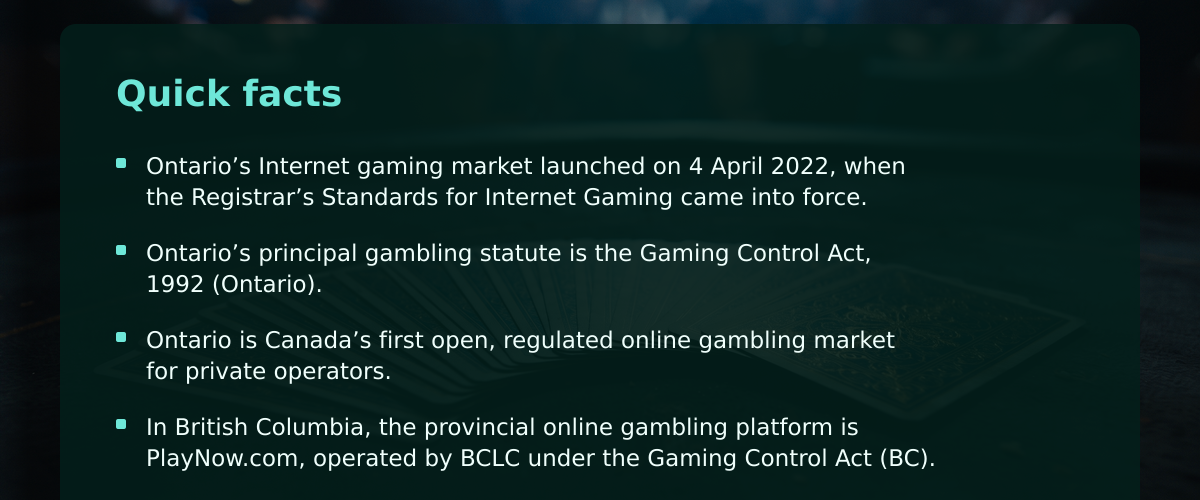
Online gambling regulation in Canada follows a provincial model rather than a federal one. Ontario became the first jurisdiction in the country to open its market to private commercial operators in April 2022. The Alcohol and Gaming Commission of Ontario registers and regulates these entities while iGaming Ontario manages the commercial agreements. This dual structure creates a robust oversight mechanism that prioritizes consumer safety and market integrity. Other provinces maintain monopoly systems where only government-run entities can offer online casino games.
The Gaming Control Act 1992 serves as the principal statute governing these activities in Ontario. It establishes the legal basis for licensing and enforcement actions against non-compliant operators. Players residing in Ontario must use platforms registered with iGaming Ontario to ensure their funds and data are protected under local law. Unregulated sites do not offer the same recourse in case of disputes or technical failures. The market included more than 80 licensed operators by 2026, indicating significant competition and choice for consumers.
Compliance requirements extend beyond financial security to include responsible gambling measures. Operators must provide tools that allow players to control their spending and time on site. These mandates are not optional suggestions but enforceable rules tied to operating licences. Failure to adhere to these standards can result in fines or suspension of registration. The regulatory environment continues to evolve as technology advances and new risks emerge. Authorities monitor operator conduct closely to prevent predatory practices.
Game Mechanics and Technology
-----------------------------
Live roulette uses a combination of physical equipment and digital infrastructure to deliver gameplay. A real wheel and ball are situated in a studio or land-based casino floor. Multiple cameras capture the action from various angles to provide viewers with comprehensive visibility. Optical character recognition software reads the winning number and color instantly. This data transmits to the player interface where bets are settled automatically. The latency between the physical event and digital settlement is minimal, ensuring fairness.
Dealers undergo rigorous training to manage the game pace and interact with participants. They announce betting closures and spin the wheel according to standardized procedures. Chat functions allow players to communicate with the dealer and other participants at the table. This social element distinguishes live games from automated variants. The human presence adds an layer of authenticity that algorithms struggle to mimic. Professionalism and consistency are key metrics evaluated by regulators during audits.
Software providers develop the platforms that host these live streams. Major studios operate out of dedicated facilities equipped with advanced broadcasting technology. Redundancy systems ensure that streams remain stable even if primary connections fail. Game integrity is verified through independent testing agencies that certify the randomness of outcomes. Although the wheel is physical, the digital overlay must function flawlessly to prevent disputes. Technical glitches can lead to voided rounds and refunded wagers.
Payment Methods and Transactions
--------------------------------
Financial transactions in the Canadian online gambling sector rely on trusted domestic payment networks. Interac remains the dominant method for deposits due to its widespread adoption and security features. Users can transfer funds directly from their bank accounts without sharing sensitive card details with the operator. Reported bank-side daily transfer limits for Interac deposits can reach C$3,000, accommodating both casual and high-volume players. Minimum deposit amounts typically range from C$10 to C$20, making entry accessible.
Transfer times for Interac deposits are generally instant or complete within five minutes. This speed allows players to fund their accounts and begin playing without significant delays. Credit cards and Apple Pay also serve as viable alternatives for those who prefer different processing routes. Each method carries its own fee structure and processing timeline depending on the financial institution. Operators must display these costs clearly before transaction confirmation. Hidden fees violate consumer protection principles enforced by regulators.
Withdrawal processes involve additional verification steps to comply with anti-money laundering regulations. Players may need to submit identification documents before receiving large payouts. Processing times vary by method but often take longer than deposits due to compliance checks. Regulated operators in Ontario must handle these requests efficiently to maintain good standing. Delays beyond reasonable periods can trigger regulatory scrutiny. Transparency in withdrawal policies helps build long-term player trust.
Responsible Gambling Tools
--------------------------
Player protection forms a core component of the Ontario regulatory framework. Licensed operators must offer deposit limits that users can set on a daily, weekly, or monthly basis. These caps help individuals manage their budgets and prevent excessive spending. Increasing a deposit limit requires a mandatory waiting period of seven days. This cooling-off interval prevents impulsive decisions during periods of heightened emotional arousal. Loss limits and session-time limits provide additional layers of control.
Self-exclusion mechanisms allow players to block their access to all regulated gambling sites in the province. A centralized rollout completed in mid-2026 enabled single registration across multiple platforms. Participants can choose exclusion periods starting at six months and extending to permanent bans. Once enrolled, operators must cancel outstanding wagers and refund them to the player wallet within 24 hours. This rule ensures that individuals cannot continue gambling after deciding to stop.
Support services such as ConnexOntario provide free and confidential assistance around the clock. The helpline at 1-866-531-2600 connects callers with resources for problem gambling. Reality check notifications remind players of how long they have been active on the platform. These interruptions encourage mindful engagement rather than continuous play. Operators integrate these tools directly into user accounts for easy access. Regular audits verify that these features function correctly and are prominently displayed.
Tax Implications for Players
----------------------------
Canadian tax law treats gambling winnings differently depending on the nature of the activity. Recreational players generally do not pay income tax on their gains from casino games. The Canada Revenue Agency views these windfalls as lucky breaks rather than earned income. This exemption applies to most individuals who play for entertainment purposes. Occasional large wins from roulette or slots fall under this category. No reporting is required for standard recreational play.
Professional gamblers face a different tax treatment if their activity constitutes a business. Consistent profit generation through systematic strategies may classify earnings as taxable income. Determining professional status involves assessing frequency, organization, and intent. Most live roulette players do not meet these criteria due to the house edge inherent in the game. The randomness of wheel spins prevents reliable long-term profit strategies. Therefore, the vast majority of participants remain exempt from taxation.
Provincial differences do not significantly alter federal tax obligations for gambling income. However, local regulations affect where and how individuals can legally play. Ontario residents benefit from a competitive market that offers better odds and bonuses due to competition. Other provinces may have fewer options but still adhere to federal tax guidelines. Players should consult tax professionals if their gambling activity becomes substantial. Clarity on tax status prevents future complications with revenue authorities.
Market Dynamics and Consumer Choice
-----------------------------------
The Ontario market demonstrates how regulation can drive innovation and consumer welfare. Competition among more than 80 licensed operators forces companies to improve service quality. Better bonuses, faster payouts, and superior game selections become standard expectations. Players can switch providers easily if they feel dissatisfied with their current experience. This mobility keeps operators accountable and responsive to user feedback. Unregulated markets lack this competitive pressure and consumer leverage.
Live roulette variants continue to expand with new themes and side bets. Providers introduce games featuring multipliers, bonus rounds, and localized presentations. These innovations keep the product fresh and engaging for repeat customers. Traditional European and American roulette remain staples for purists who prefer classic rules. The diversity of options allows players to tailor their experience to personal preferences. Regulatory approval ensures that new game mechanics meet fairness standards.
Consumer education plays a vital role in promoting safe gambling habits. Understanding the rules, odds, and risks associated with live roulette empowers players to make informed decisions. Regulators and operators share responsibility for providing clear information. Marketing materials must avoid misleading claims about winning probabilities. Transparent communication builds trust and supports sustainable industry growth. The mature Ontario model serves as a benchmark for other jurisdictions considering liberalization.


