Community / Users list / Banhar

Banhar
Best non UK casino: a sceptical look at offshore risks
# What happens when British players look beyond the licensed market
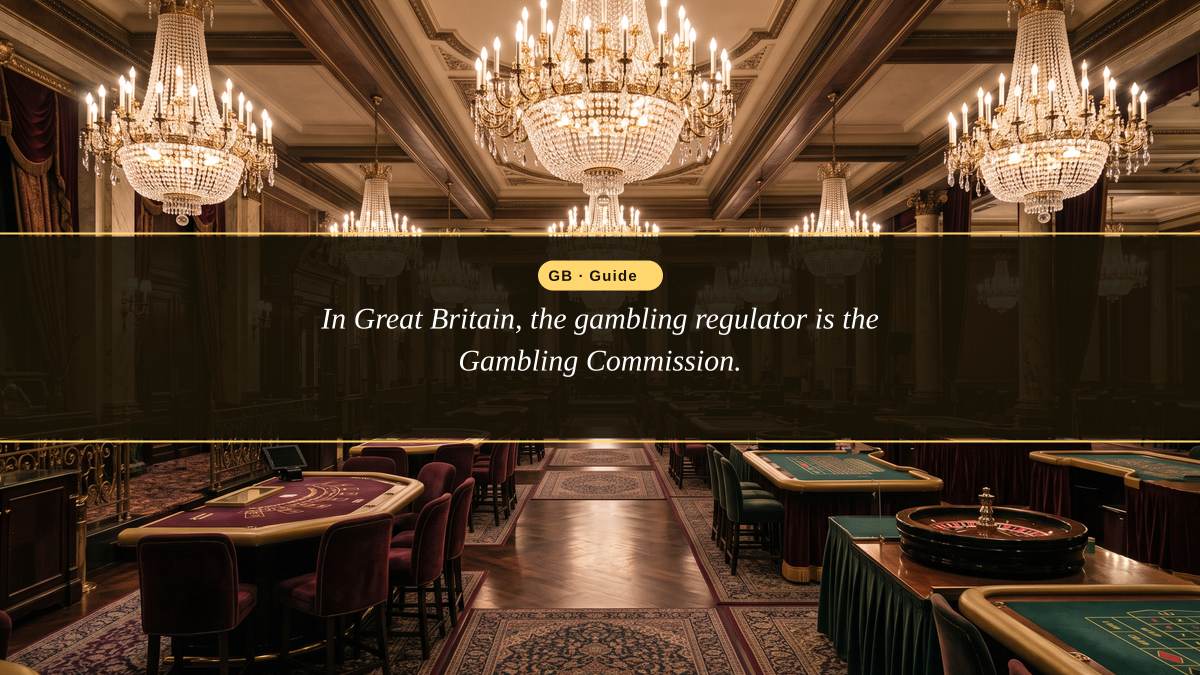
I started this check with a heavy dose of doubt. The term best non uk casino gets thrown around in forums and affiliate sites with a casualness that makes me wince. It suggests a simple alternative, a better deal, or perhaps just a different flavour of risk. But does it actually offer anything that a player cannot find within the strict boundaries set by the Gambling Commission? I wanted to see if the grass is genuinely greener on the other side of the regulatory fence, or if it is merely painted that way to attract those frustrated by recent restrictions.
The landscape for remote casino gambling in Great Britain has shifted significantly in recent years. The core law remains the Gambling Act 2005, which received Royal Assent on 7 April 2005 and set the foundation for how we gamble today. Yet the rules have tightened. The Gambling (Licensing and Advertising) Act 2014 made it clear that any remote operator serving customers in Great Britain must hold a licence from the Gambling Commission. This is not a suggestion. It is a legal requirement. Operators who ignore this are operating outside the law, which means they offer no protection under British statute.
So why do people still search for these offshore options? The answer usually lies in friction. Licensed sites must enforce GamStop self-exclusion, run affordability checks, and adhere to strict stake limits. For some, these feel like safeguards. For others, they feel like barriers. I looked at what lies beyond these barriers, keeping in mind that once you step off the licensed path, you leave behind the safety net provided by the regulator. The trade-off is real, and it is often understated by those promoting such sites.
## Why do players seek alternatives to licensed operators?
The primary driver seems to be the desire for fewer restrictions. In Great Britain, the rules for online slots have become quite specific. Online slots stake caps were introduced in 2026, changing how much adults can wager per spin. The maximum stake for online slots is £5 for all adults. This limit went live on 9 April 2025. For younger adults, the restriction is even tighter. The maximum stake for online slots is £2 for adults aged 18 to 24. This lower limit went live on 21 May 2025. These caps are designed to reduce harm, but they also limit the potential speed of play for high rollers or those who simply prefer higher stakes.
Beyond stakes, the presence of GamStop is a major factor. GamStop is the national online self-exclusion scheme used by licensed online operators in Great Britain. Once a player registers with GamStop, they are blocked from all licensed sites for their chosen period. There is no workaround within the licensed market. This is a feature, not a bug, for responsible gambling advocates. But for players who regret a temporary exclusion or feel they can manage their own limits, it feels like a permanent lockout. Offshore sites do not participate in GamStop. This lack of integration is often marketed as freedom, though it removes a critical layer of consumer protection.
Affordability checks are another point of contention. Licensed operators in Great Britain must provide tools for deposit limits, reality checks, and time-outs. They are also required to monitor player behaviour for signs of harm. This can lead to requests for financial documentation, which many players find intrusive. Offshore operators rarely conduct such checks. They may ask for identity verification for anti-money laundering purposes, but they seldom probe into income sources or spending habits. This ease of access is appealing, but it comes with the risk of unchecked losses.
## What protections are missing outside the UKGC framework?
The most significant loss is the recourse provided by the Gambling Commission. If a licensed operator refuses to pay out winnings or acts unfairly, a player can complain to the regulator. The Commission has the power to investigate and impose sanctions. This authority keeps operators in line. Offshore casinos, often licensed in jurisdictions like Curaçao or Malta, do not answer to the UKGC. Their dispute resolution processes are internal or rely on third-party mediators who lack the enforcement power of a national regulator. You are essentially trusting the operator to be fair, with little leverage if they are not.
Financial security is another concern. Credit card gambling is banned for most gambling products in Great Britain. The credit card ban took effect on 14 April 2020. This means players on licensed sites use debit cards, PayPal, Apple Pay, or Paysafecard. These methods offer varying degrees of buyer protection. Offshore sites may accept credit cards, bypassing the UK ban, but this exposes players to higher interest rates and debt risks. Chargebacks on credit cards for gambling transactions are often disputed by banks, leaving the player liable. Using crypto or e-wallets on offshore sites can also mean irreversible transactions if things go wrong.
Responsible gambling tools are often weaker or absent on non-UK sites. While licensed operators must offer self-exclusion and limit-setting tools, offshore platforms may offer them as optional features rather than mandatory requirements. The effectiveness of these tools depends on the operator’s willingness to enforce them. Without regulatory oversight, there is no guarantee that a request for a time-out will be honoured or that deposit limits cannot be easily overridden. This lack of standardisation creates a patchwork of safety measures that are far less robust than the unified approach in Great Britain.
## How do payment methods differ for British users?
Payment options on offshore sites often diverge from the mainstream methods preferred in Great Britain. Local payment methods such as debit cards, PayPal, Apple Pay, and Paysafecard are dominant on licensed sites because they are trusted and widely accepted. Offshore casinos may not support PayPal or Apple Pay due to the strict compliance requirements these providers impose. Instead, they might rely on direct bank transfers, cryptocurrencies, or lesser-known e-wallets. This can complicate deposits and withdrawals, adding friction rather than removing it.
Withdrawal times can also vary wildly. Licensed operators are pressured by the regulator to process payments promptly. While delays happen, there is an expectation of fairness. Offshore sites may hold funds for longer periods, citing verification processes or bonus terms. Without the threat of regulatory action, there is less incentive to prioritise speedy payouts. Players often report waiting weeks for withdrawals, a scenario that is less common on UKGC-licensed platforms where reputation and compliance drive efficiency.
Currency conversion is another hidden cost. Most offshore sites operate in Euros or US Dollars. When a British player deposits in GBP, the site or the payment provider converts the amount, often at an unfavourable rate. Withdrawals suffer the same fate. Over time, these conversion fees eat into winnings. Licensed sites typically operate in GBP, avoiding this issue entirely. The convenience of playing in your native currency is a subtle but significant advantage of staying within the regulated market.
## Are the game offerings truly better elsewhere?
Game selection is often cited as a reason to go offshore. Licensed sites must source games from providers who comply with UK technical standards. This can limit the variety of new or niche titles available. Offshore sites may host games from providers who do not meet UK standards, offering a wider range of themes and mechanics. However, this variety comes with a caveat. Games on unregulated sites are not tested by the UKGC-approved testing labs. There is no guarantee that the random number generators are fair or that the return-to-player percentages are accurate. You are playing on trust, not verified data.
The quality of software can also be inconsistent. While some offshore sites partner with reputable developers, others may host inferior clones or unverified software. The user experience may suffer from poor translation, buggy interfaces, or slow loading times. Licensed sites invest heavily in user experience to retain customers in a competitive market. Offshore sites, facing less competition from regulated peers, may not prioritise these aspects. The result can be a clunky, frustrating experience that detracts from the enjoyment of the game.
Live dealer games present a similar picture. Licensed sites offer live tables with dealers who adhere to strict conduct codes. Offshore live streams may lack this professionalism, with dealers who are less trained or environments that are less controlled. The social aspect of live casino gaming relies on trust and atmosphere, both of which can be compromised on unregulated platforms. While the games may look similar, the underlying integrity and presentation often fall short of the standards expected by British players.
## What did I find surprising about the offshore experience?
I must admit, one aspect pleasantly surprised me. The sheer variety of bonus structures on offshore sites is undeniably broader. Licensed operators are constrained by strict rules on bonus transparency and wagering requirements. Offshore sites often offer more creative promotions, such as cashback deals with lower wagering or loyalty schemes that reward play more generously. For a player who understands the terms and can manage their bankroll, these offers can provide extra value. It is not that the bonuses are better in a safe sense, but they are more diverse and potentially more rewarding for the informed user.
This diversity, however, is a double-edged sword. The terms and conditions attached to these bonuses can be complex and opaque. Without the regulator enforcing clarity, players may find themselves trapped by hidden clauses. A bonus that looks generous on the surface may have restrictive game contributions or short validity periods. The surprise here is not that the offers are good, but that they require a level of scrutiny that most players are unwilling to perform. The burden of diligence shifts entirely to the player.
Another observation is the community aspect. Some offshore sites foster vibrant communities through forums and social media, creating a sense of belonging that licensed sites, with their more corporate feel, may lack. This social connection can enhance the entertainment value of gambling. But it can also encourage risky behaviour through peer pressure or shared excitement. The lack of moderation in these spaces means that harmful narratives can spread unchecked. It is a social benefit that carries significant psychological risks.
In the midst of checking various platforms, I came across [westace casino reviews](https://westace.me.uk/) which highlighted how some users navigate these choices. It served as a reminder that individual experiences vary widely, and what works for one person may be a pitfall for another. The key is to remain skeptical and informed, rather than swayed by marketing or peer anecdotes.
## Is the trade-off worth the risk?
The decision to play on a non-UK casino ultimately rests on how much weight a player places on safety versus freedom. The licensed market offers protection, fairness, and responsible gambling tools. It restricts stakes and enforces self-exclusion. The offshore market offers fewer restrictions, more varied bonuses, and access to a wider range of games. But it lacks regulatory oversight, consumer protection, and guaranteed fairness. For most players, the safety net of the UKGC is worth the constraints. For those who prioritize autonomy, the risks are part of the package.
It is crucial to remember that winnings from gambling are generally not taxed in Great Britain, regardless of where the operator is based. This tax-free status applies to the player, not the operator. Offshore operators may still be subject to taxes in their home jurisdictions, which can affect their profitability and, by extension, their ability to pay out large wins. The financial stability of an offshore operator is harder to verify than that of a UKGC-licensed entity, which must meet strict capital requirements.
The Gambling Commission reported total online Gross Gambling Yield of £1.49 billion for April to June 2025. This figure shows the scale of the regulated market. The industry is huge, and the regulator is active. Stepping outside this ecosystem means stepping into a space where the rules are written by the operator, not the state. It is a choice that should be made with eyes wide open, understanding that the convenience of fewer checks comes with the cost of zero recourse.
My final thought is one of caution. The allure of the best non uk casino is strong, especially for those chafing against recent regulations. But the absence of the Gambling Commission’s oversight is a significant gap. Without the mandate to protect players, offshore sites operate on a different set of priorities. They may be honest, but they are not accountable to you in the same way. Play carefully, read the fine print, and never assume that a colourful website equates to a safe one. The freedom to play anywhere is real, but so is the risk of playing alone.


