Community / Users list / sanderrieder

sanderrieder
Good online casino tips for GB small budgets
# What a good online casino looks like for me in Great Britain

I look for a good online casino with a small budget in mind. A £5 or £10 start matters to me, but so does clear rules, a UKGC licence, and payment methods that do not waste my time. I want a site that feels fair when I play slots for a few quid or back a football market with spare change.
The British market is tightly watched. The Gambling Commission is the regulator for remote gambling in Great Britain, and online casinos serving British customers need a Gambling Commission licence. That gives me a proper base to check before I put any money in. It feels sensible.
I also keep one eye on the cost of play. A bonus can look tidy, yet a heavy wagering requirement can turn it into a slog, and I know that in plain terms as the amount I must bet before I can withdraw any bonus-linked winnings. That is the bit I read twice. It bites.
## What does a good online casino mean for a small budget?
For me, it means I can start small and still get a fair crack. I want low minimum deposits, useful free spins, and a bonus that does not trap me in a long grind. If I am only loading a tenner, I need that tenner to do a bit of work for me.
I also care about the feel of the site. Clear menus, plain terms, and familiar payment methods like debit cards, PayPal, Apple Pay, and Paysafecard make life easier. If a site hides the basics, I move on fast.
Good value is not just about the welcome offer. It is about how long my balance lasts when I play a few slot rounds, maybe a horse racing market, then stop before I chase losses. That kind of control matters more than flashy noise.
## How do I check the licence before I deposit?
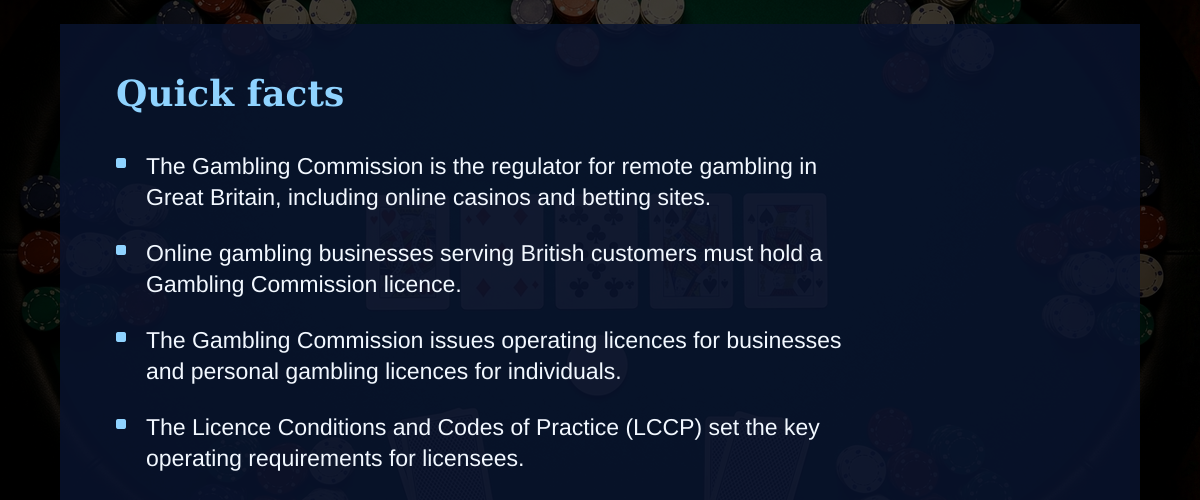
I start with the regulator. A site aimed at Great Britain should be covered by a Gambling Commission licence, and the LCCP set the main operating rules for licensees. That is the first thing I want to see before I even think about a bonus.
The same regulator issues operating licences for businesses and personal gambling licences for individuals. That sounds dry, yet it helps me know the site sits inside a proper system. I do not want guesswork with my money.
GamStop matters too. It is a standard self-exclusion tool in the UK, and a serious casino should support it rather than treat it like a nuisance. If I have used self-exclusion, I need the site to respect that choice, not work around it.
## What does the minimum deposit buy me?
A minimum deposit gives me a starting point, not a big buffer. If the site lets me in with £5, that can be enough for a few low-stake spins, or a couple of small bets if I fancy football instead of slots. It is not a fortune, but it is enough to test the water.
Here is the rough picture I use when I think about value. The exact game cost can shift, yet the idea stays the same: a small deposit should still let me try the site, check the cash-out flow, and see if the bonus feels usable. I like that kind of simple test.
| Deposit | What I can do with it | What I get a feel for |
| --- | --- | --- |
| £5 | A few low-stake slot rounds or a tiny sports bet | Site speed, game choice, and whether the bonus feels worth the fuss |
| £10 | More play time and a bit more room for small mistakes | How far the balance stretches before I stop for the night |
| £20 | A fuller test of slots, table games, or mixed play | Whether the site still feels decent once I use real money |
I do not need a massive start to learn a lot. If the balance drains too fast, I know the site is not right for my style. If it lasts a bit, that feels better.
## Why does wagering matter so much?
Wagering is the bit that catches many players out. In simple terms, it is the number of times I must bet bonus money, or bonus plus deposit in some offers, before I can take winnings out. A bonus can look generous and still be poor value if the wagering is too high.
I keep this in my own head as “how much must I spin through before I see any cash I can use?” That simple question saves me a lot of grief. A free bet or free spin can be handy, but only if I can clear the rules without burning through the lot.
A decent offer should feel realistic for my budget. If I need a long run of bets to unlock a small payout, I am paying for the bonus with time and nerves. That is rarely worth it for me.
## Which payment methods suit me best?
I stick to methods that are common in Britain and easy to track. Debit cards are my first pick, then PayPal, Apple Pay, and Paysafecard if I want a prepaid route. I do not use credit cards for gambling, as they are banned in the UK.
Payment choice changes how I play. Debit cards suit a plain deposit. PayPal feels handy when I want to keep gambling spend a little separate from my main bank flow. Paysafecard suits a tighter budget because I can load only what I mean to spend.
Some sites make the payment step feel smoother than others. I once checked a small-budget offer through the [night win casino](https://nightwin-play.com/) link and paid attention to the method list more than the hype around the games. That is the sort of detail I care about.
## What lists help me spot value fast?
I use a short checklist before I deposit. It keeps me from acting on a whim after a big football weekend or a lucky horse racing tip. It is simple, and it saves me cash.
* UKGC licence shown clearly.
* Low minimum deposit that fits my budget.
* Payment methods I already use.
* Bonus rules I can read without guessing.
* GamStop and other safer play tools in place.
I also look at the wider cost of play. Remote Gaming Duty rose from 21% to 40% from 1 April 2026, bingo duty was abolished from 1 April 2026, and a new General Betting Duty rate for remote bets is due to apply from 1 April 2027. I do not need to be a tax expert to care about that. It gives me a sense that the market shifts around me.
## How do the current market figures affect my view?
The scale of the regulated market tells me this is a serious business. The Gambling Commission said Gross Gambling Yield in Great Britain reached £17.5 billion in the year to March 2026, while remote betting, casino and bingo reached £8.3 billion. Those are big numbers, yet they do not change my own pocket.
What does matter to me is how that money flows online. The Commission’s latest data show total online Gross Gambling Yield of £1.55 billion in January to March 2026, with 26.8 billion online bets and spins in the same period. That sounds busy for a reason. A lot of people are playing online, so I want clear rules and a site that does not waste my time.
Winnings are not generally taxed as my personal income in the UK. The tax burden sits on operators through gambling duties, not on me as a player. That keeps my own maths simpler, which I like.
## How do safe play tools fit into the picture?
They fit right at the centre for me. A good casino should offer self-exclusion, and the Gambling Commission says licensees must provide facilities for that. That is not an extra for me; it is part of decent service.
I also pay attention to customer interaction duties when signs of harm show up. That language sounds formal, yet the idea is plain enough: if a player looks to be in trouble, the site should respond. I want a place that takes that seriously, not one that only cares when I am depositing.
Affordability checks can happen too. They are part of the UK gambling scene, and I treat them as normal rather than annoying. If a site asks sensible questions, I would rather deal with that than face a mess later.
## What signs make a casino feel worth my money?
Clear terms are a good start. I like to know the bonus rules, the game rules, and the payment route without digging through pages of noise. If I can understand the site in a few minutes, that is a good sign.
Game choice matters, but not in a flashy way. I want slots with low stakes, plus a few options for football or horse racing when I fancy a change. I am not chasing every game under the sun. I want a site that matches the way I actually play.
Illegal sites are not part of my plan. The Commission said 0.6% of respondents had used illegal gambling websites in the past four weeks, with a further 0.4% in the past 12 months, and 2.5% of people who gambled online in the past 12 months had done so in the past four weeks. That tells me some players still drift outside the safe zone, but I have no reason to do that when a licensed route exists.
## What does my final checklist look like?
I keep it plain. If a site gives me a fair start, a real UK licence, and a small deposit route that does not chew through my budget, I take it more seriously. If the bonus is clean and the wagering is not a trap, that helps too.
* Licence and safer play tools are easy to find.
* Minimum deposit fits a tight budget.
* Debit cards, PayPal, Apple Pay, or Paysafecard are offered.
* The bonus has plain wagering rules.
* The site feels honest about risk and control.
That is the kind of good online casino I trust. It lets me play small, keep control, and walk away with my budget intact when the night is done.


