Community / Users list / mariannedenk

mariannedenk
Online casinos in the UK: what regulations protect players
# Playing at online casinos in the United Kingdom: what you need to know

Online gambling in Great Britain operates under a strict regulatory framework designed to protect players and ensure fair play. The Gambling Commission, the official regulator, issues licences to operators who meet rigorous standards and follow detailed codes of practice. When you gamble online, whether through slots, table games or live dealers, you're entering a market where consumer protections are built into every licensed operator's terms. Understanding how these rules work—and what they mean for your experience—helps you play with confidence.
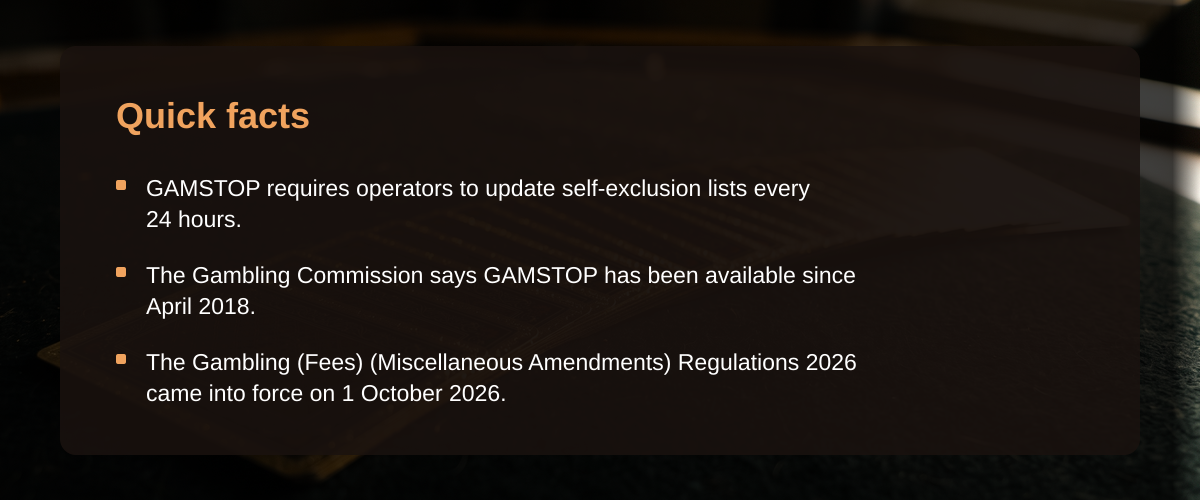
The landscape of online casinos serving the United Kingdom has changed significantly over the past few years. Licensed operators must now comply with updated fee regulations that came into force on 1 October 2026, which adjusted operating licence fee bands based on annual gross gambling yield thresholds. These changes reflect the regulator's commitment to maintaining standards across the industry. When you choose where to play, you're selecting from a pool of businesses that operate under the same baseline requirements, whether they're household names or smaller platforms like [patrickspins casino](https://patrickspinscasino.net/).
What separates licensed from unlicensed operators isn't just paperwork—it's your access to player protections, dispute resolution and responsible gambling tools. Licensed casinos must offer self-exclusion options both through their own sites and through GAMSTOP, the national scheme that lets you block access to all regulated online gambling for 6 months, 1 year, or 5 years. This is a legal requirement, not an optional extra. Understanding these safeguards helps you make informed choices about where and how you play.
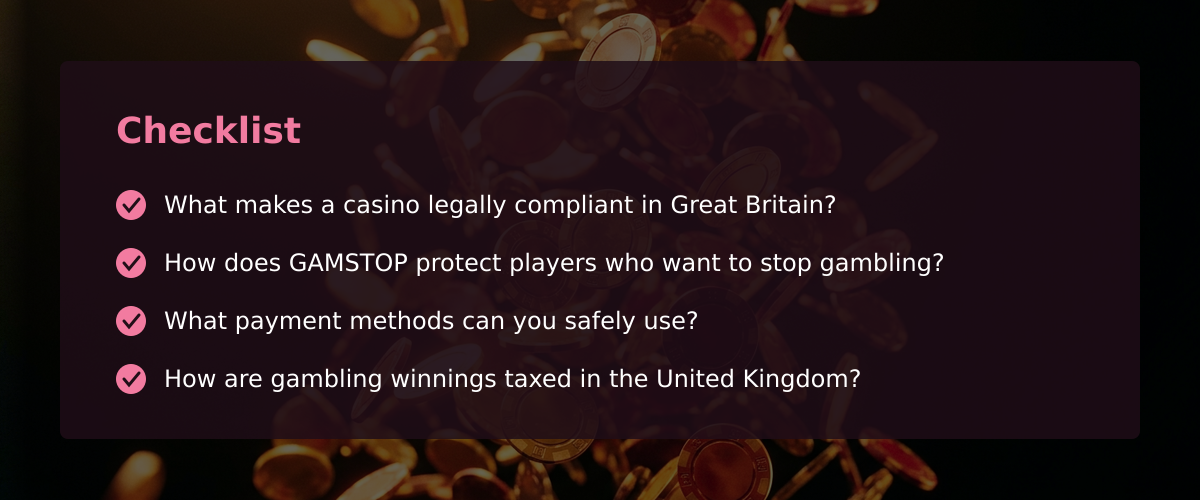
## What makes a casino legally compliant in Great Britain?
A licensed casino operating in Great Britain must hold a valid Gambling Commission licence and follow the regulator's Licence Conditions and Codes of Practice. This isn't a rubber stamp—compliance means real, ongoing obligations. The operator must carry out affordability checks before accepting large stakes, use certified random number generators for all games, and maintain records of player activity. The regulator updates its rules regularly; the most recent fee regulations show that the Gambling Commission continues to tighten oversight as the market matures.
Remote gambling rules cover not just websites but also telephone, email and instant messaging channels. If an operator offers gambling through any of these means to players in Great Britain, they must be licensed. The Gambling Commission has stated clearly that all gambling businesses must maintain their own self-exclusion arrangements in addition to joining GAMSTOP. Self-exclusion data must be updated by operators every 24 hours to ensure the scheme works effectively. This technical requirement protects self-excluded players by preventing them from regaining access through oversight or delay.
Licensed operators can choose their own methods to meet regulatory requirements, provided those methods satisfy the Gambling Commission's standards. This flexibility allows different casinos to offer varied experiences—different game libraries, payment options, customer service styles—while all meeting the same baseline of player protection. A smaller operator and a major brand compete on features and service rather than on whether they'll honour your self-exclusion or run fair games.
## How does GAMSTOP protect players who want to stop gambling?
GAMSTOP is the national online self-exclusion scheme for Great Britain. It became mandatory for all licensed remote-gambling operators on 31 March 2020. When you register with GAMSTOP, you agree to be excluded from all regulated online casinos simultaneously; you choose your exclusion period—6 months, 1 year, or 5 years—and the scheme blocks your access across the entire licensed market. This is far more powerful than self-exclusion at a single operator because it removes the temptation to simply move to another site.
The Gambling Commission introduced GAMSTOP in April 2018 as a response to growing concern about players who struggled to maintain control. The scheme works because operators are legally required to check the list before accepting a new customer or processing a deposit. Since operators must update GAMSTOP data every 24 hours, there's no lag between your registration and the protection taking effect across the market. If you're uncertain about your own gambling habits or want a structured break, GAMSTOP gives you a tool with legal teeth.
Beyond GAMSTOP, licensed casinos must offer their own self-exclusion tools. These allow you to exclude from that specific operator for a period you choose. Many players use both: they might self-exclude from a particular casino they find tempting while staying on GAMSTOP for broader protection. The Gambling Commission considers self-exclusion an essential player-protection measure, which is why it's required across the industry. If you're looking to limit your gambling, check what self-exclusion options a casino offers before you deposit.
## What payment methods can you safely use?
Payment safety in the UK gambling market is tightly controlled. Credit cards have been banned for online gambling deposits since April 2020, so you won't see that option at any licensed operator. Instead, common methods include debit cards, PayPal, Apple Pay and Paysafecard. Each method has its own security standards; PayPal and Apple Pay, for instance, add an extra layer of authentication between your bank account and the casino. Debit cards work directly but allow you to set spending limits through your bank.
Licensed operators must comply with anti-money laundering rules that require them to verify your identity before letting you withdraw. You might be asked to provide a photo of your debit card, proof of address or bank statements. This can feel intrusive, but it protects both you and the operator from fraud and financial crime. When you withdraw, the operator sends money back to the same payment method you used to deposit, which prevents third parties from accessing your winnings.
Paysafecard offers a prepaid approach—you buy a voucher with cash or card, load the PIN into your casino account, and play with that balance. This method appeals to players who want to control spending upfront. Whatever method you choose, use only licensed operators who display their Gambling Commission licence number and allow you to verify it on the regulator's website. Unlicensed sites often use obscure or foreign payment processors that offer no recourse if something goes wrong.
## How are gambling winnings taxed in the United Kingdom?
Gambling winnings are not taxed as personal income in the United Kingdom. If you win £10,000 at an online casino, you keep all of it—there's no personal tax bill waiting for you. This differs from some other countries where winnings are treated as taxable income. The UK gambling-tax system instead charges operators through gambling duty, which is calculated on their gross gaming yield. As of 1 April 2026, the duty rate is 30% on the next £3,243,000 of yield, with different bands applying to different levels of operator revenue.
This structure means the tax burden falls on the business running the casino, not on individual players. Operators factor gambling duty into their operating costs, which can influence how competitive their odds are and what bonuses they offer. A larger operator with higher gross gaming yield might pay duty at a higher marginal rate, but they may also have economies of scale that let them offer better value. Smaller operators licensed under the updated 2026 fee regulations pay based on their annual gross gambling yield band, which ranges from under £250,000 to £1.6 billion or greater.
The distinction between operator duty and personal tax is important for your planning. You don't need to declare casino winnings to HMRC as if they were employment income or business profit. However, if gambling becomes your primary or substantial source of income—which is rare—the tax situation changes, and you should seek professional advice. For casual and recreational play, the rule is simple: your winnings are yours to keep.
## What happens if you have a complaint about a licensed casino?
Licensed operators must be members of an approved alternative dispute resolution (ADR) scheme. If you disagree with a casino about a bonus, a withheld withdrawal, or a game outcome, you can lodge a complaint with the operator first. If they don't resolve it to your satisfaction, you can escalate to their ADR scheme at no cost to you. The Gambling Commission oversees these schemes to ensure they're independent and fair. This is a real safety net that unlicensed operators simply don't offer.
The complaint process typically begins with an email or contact form on the casino's website. Licensed operators are required to respond within a set timeframe and try to settle the matter. If you're unhappy with their response, you then have the right to refer the complaint to their ADR provider, who will investigate and issue a binding decision (up to a certain monetary limit per their scheme rules). This isn't perfect, but it gives you a formal channel when informal resolution fails.
Before playing at any casino, check that its licence is valid by searching the Gambling Commission's online register. Verify the operator's ADR scheme in their terms and conditions. Knowing you have a route to complaint if things go wrong reduces the risk you take when depositing real money. Unlicensed sites often hide their contact details and ignore complaints; licensed operators know their reputation depends on handling disputes properly.
## What should you know about responsible gambling tools?
Licensed casinos must offer tools to help you stay in control. These include deposit limits (setting a maximum you can deposit in a day, week or month), loss limits (capping how much you're willing to lose in a period), session limits (setting how long you can play before the site logs you out) and reality checks (reminders of how much time or money you've spent). You set these according to your own circumstances; they're not imposed limits but tools you choose to use. Play with money you can afford to lose, and use these tools to reinforce that commitment.
Affordability checks are a newer requirement. Licensed operators must now assess whether you can afford your stake before accepting larger bets or deposits. This isn't about preventing you from playing—it's about ensuring you're not gambling with money needed for essentials like rent or food. If an operator suspects you might be in financial difficulty, they're required to intervene. While this can feel restrictive, it's designed to catch problem gambling early.
If you're concerned about your own gambling, GAMSTOP is your main protection, but you can also contact the National Council for Problem Gambling or use free support services like the Gordon Moody Association. Licensed operators must provide contact information for these services in their terms. Taking responsibility for your own play—setting limits before you start, reviewing them regularly, and using the tools available—is the foundation of safe gambling.
## How does the regulatory landscape continue to evolve?
UK gambling regulation is not static. The Gambling Commission updates its codes, the government adjusts tax rates and fee structures, and individual licensing authorities (like Crawley's, which operates under a local policy period from 1 February 2026 to 31 January 2029) set their own conditions. The 2026 fee regulations show that the regulator is actively managing the financial side of licensing to ensure operators are viable but also contribute fairly to regulation and problem-gambling prevention. This ongoing adjustment reflects a market that's maturing and becoming more sophisticated.
Operators must stay compliant with changes or risk losing their licence. For players, this means choosing licensed operators who have the resources and commitment to meet evolving standards. A small unlicensed casino might seem to offer a better deal, but it bypasses all these protections and oversight. When you play at a licensed operator, you're playing in a market where the regulator actively monitors compliance, updates rules, and enforces penalties for breaches. That's worth more than any promotional offer from an unlicensed site.
The United Kingdom's approach to online gambling—strict licensing, ongoing oversight, mandatory player protections like GAMSTOP and self-exclusion, and transparent dispute resolution—sets a high bar globally. If you play at a licensed operator, you're covered by these standards. Check the operator's licence, use the tools available, and gamble responsibly. The framework is there to protect you; using it well is how you get value from the market.


